

Optimizing Database Replication for Scalable Architectures
Modern enterprises operate in a fast-paced, data-driven world where reliability is paramount. Database replication has emerged as a strategic pillar, ensuring that critical information remains accessible, consistent, and secure. For organizations seeking seamless operations, robust disaster recovery, and uninterrupted service, mastering the art of database replication signals a commitment to resilience and future-readiness.
Why Database Replication Is Essential for Today’s Digital Ecosystem
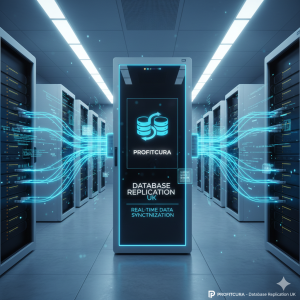
Database replication is more than a technological term it’s a lifeline for organizations that depend on real-time data. By creating synchronized copies of digital records across multiple locations, replication guarantees high availability and immediate data recovery during unforeseen disruptions. This process also supports global operations, letting users access information locally, no matter where they are in the world.
Types of Database Replication: Choosing What Fits Your Needs
Understanding replication approaches is crucial for tailoring solutions:
-
Snapshot Replication: Captures and copies data at specific intervals ideal for static datasets.
-
Transactional Replication: Mirrors real-time changes, ensuring minimal lag and maximum consistency.
-
Merge Replication: Integrates data changes from multiple sources, resolving conflicts with precision.
-
Peer-to-Peer Replication: Enables multi-master setups, supporting high scalability and redundancy.
-
Logical Replication: Shares selected changes, often used for complex architectures like Postgres logical replication.
Key Advantages of Robust Database Replication
Why do leading organizations invest in database replication? Here are compelling reasons:
-
Business Continuity: Immediate failover ensures operations never stop.
-
Improved Performance: Local replicas minimize latency for distributed teams.
-
Data Protection: Duplicated records shield against loss, corruption, or cyber attacks.
-
Scalability: Easily accommodate growth by adding read replicas as needed.
-
Seamless Maintenance: Updates and backups can occur without impacting primary systems.
How DB Replication Shapes Reliable Infrastructure
DB replication isn’t just about copying data it’s about constructing resilient infrastructures. By distributing information across nodes, organizations prevent bottlenecks, eliminate single points of failure, and empower users with uninterrupted access to mission-critical resources.
Exploring PostgreSQL Replication: Open-Source Excellence
Within the open-source realm, Logical replication stands tall. Its flexibility allows for both synchronous and asynchronous modes, supporting a wide range of use cases from transactional systems to data warehouses. Tools like logical replication offer fine-grained control, enabling selective data sharing and advanced system architecture.
Data Replication Software: The Unsung Hero
Behind every smooth synchronization process is advanced database replication software. These intelligent solutions automate the complexities of data transfer, manage conflict resolution, and offer robust monitoring dashboards. When selecting the right tool, prioritize features like cross-platform compatibility, encryption, and scalable architecture.
File Sync Software: Complementing Database Replication
In modern IT stacks, file sync software plays a vital supporting role. By synchronizing documents, media, and configuration files alongside databases, organizations ensure holistic data integrity. Top file sync programs provide real-time updates, versioning, and cross-device access perfect for teams on the move.
Replication in DBMS: The Heartbeat of Data Management
Replication in DBMS forms the backbone of enterprise data strategy. Whether deploying for high availability, load balancing, or disaster recovery, replication ensures that every department, application, and user has the data they need precisely when they need it.
Windows File Sync: Simplifying Data Movement in Hybrid Environments
As businesses embrace hybrid and cloud-native models, Windows file sync solutions bridge on-premises and cloud resources. These tools automate file transfer, enforce access policies, and integrate effortlessly with existing directories, forming a seamless digital ecosystem.
Sample Use Cases for Database Replication
-
E-commerce: Delivering quick, reliable access to product catalogs worldwide.
-
Healthcare: Ensuring patient records remain consistent and available across clinics.
-
Finance: Supporting real-time trading and regulatory compliance.
-
Education: Empowering universities with up-to-date course materials at every campus.
-
Manufacturing: Keeping inventory, schedules, and logistics synchronized across facilities.
Replication DBMS: Elevating Data Availability
Modern enterprises require solutions that transcend traditional boundaries. Replication DBMS tools enable organizations to replicate information across heterogeneous environments, ensuring seamless integration with diverse applications and platforms.
Database Replication Best Practices
To maximize the value of database replication, follow these tips:
-
Define clear objectives and recovery point targets.
-
Choose between synchronous and asynchronous modes based on your needs.
-
Regularly test replication and failover procedures.
-
Monitor performance and resolve issues proactively.
-
Encrypt data in transit and at rest for maximum security.
Five Unique Benefits of Database Replication
-
Instant Failover: Keeps operations online during outages.
-
Optimized Speed: Delivers faster reads for global teams.
-
Disaster Recovery: Minimizes data loss and downtime risk.
-
Flexible Growth: Scales effortlessly as needs evolve.
-
Reduced Bottlenecks: Distributes workloads for better performance.
The evolution of database replication is accelerating with cloud adoption, edge computing, and hybrid architectures. As organizations pursue digital transformation, replication will remain a foundational strategy for agility, competitiveness, and peace of mind.
FAQs
1. How does DB replication improve data reliability?
DB replication creates synchronized copies, ensuring information remains available even during system failures.
2. What advantages does PostgreSQL replication offer for businesses?
PostgreSQL replication provides flexible sync options, supporting both real-time and scheduled updates for various workloads.
3. Why is file sync software important alongside database replication?
File sync software ensures documents, configs, and media stay current with databases, maintaining overall data consistency.
4. What makes data replication essential for global organizations?
Data replication allows teams in different locations to access the same up-to-date information, reducing latency and boosting productivity.
5. Where does PostgreSQL logical replication fit in modern architectures?
Postgres logical replication enables selective data sharing between systems, supporting complex migrations and integrations.
6. How does Windows File Sync enhance hybrid IT environments?
Windows File Sync automates file transfers, connecting on-premises resources with the cloud for seamless operations.
7. What factors should be considered when choosing database replication software?
Database replication software should offer robust monitoring, cross-platform support, and encryption to ensure secure and efficient data movement.